
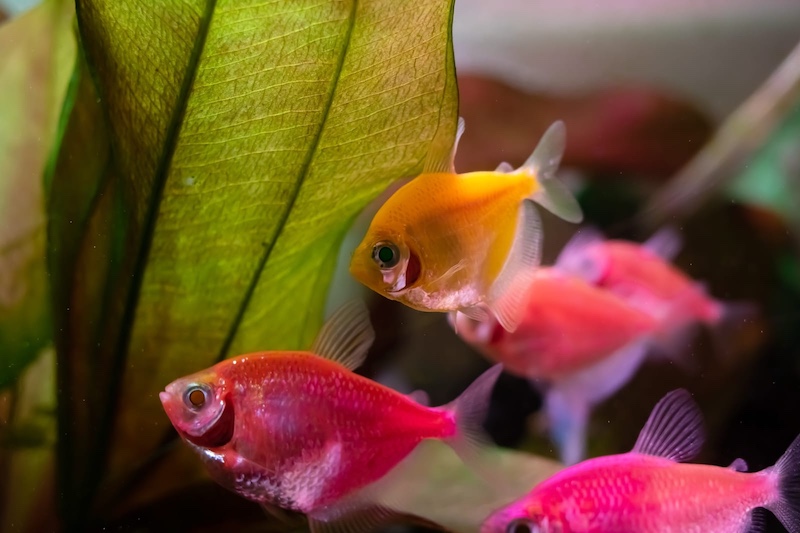
Fish may seem calm and low-maintenance, but they’re constantly reacting to their environment. Unlike dogs or cats, they can’t vocalize discomfort, which means stress often goes unnoticed until it becomes a serious health issue.
Understanding the signs of stress in fish can help you step in early, prevent disease, and keep your tank thriving.
Why Fish Get Stressed
Before diving into the signs, it helps to understand what causes stress in the first place. Common triggers include:
- Poor water quality (ammonia, nitrites, or nitrates)
- Sudden temperature changes
- Overcrowding
- Aggressive tank mates
- Inadequate hiding spaces
- Improper diet
- Frequent disturbances (tapping on the glass, loud environments)
Even small changes can disrupt a fish’s sense of stability.
Signs Your Fish Is Stressed
Unusual Swimming Behavior
One of the earliest indicators is a change in how your fish moves.
Look for:
- Darting erratically around the tank
- Swimming frantically along the glass
- Floating near the top or bottom for long periods
- Struggling to maintain balance
Healthy fish tend to swim smoothly and with purpose. Sudden changes often signal discomfort.
Loss of Appetite
If your fish suddenly stops eating or shows little interest in food, stress could be the cause.
Fish that are stressed may:
- Ignore food entirely
- Spit food out after taking it in
- Eat far less than usual
This is often one of the first red flags that something is off.
Faded or Dull Colors
Bright, vibrant colors are typically a sign of a healthy fish. Stress can cause colors to appear washed out or pale.
In some species, you may also notice:
- Blotchy coloration
- Darkened patches
- Loss of distinct patterns
Color changes can happen quickly when fish are under stress.
Hiding More Than Usual
While some fish naturally enjoy hiding, excessive hiding can indicate stress.
Watch for:
- Staying in caves or behind decorations all day
- Avoiding open swimming areas
- Only coming out briefly to eat (or not at all)
This behavior often means your fish doesn’t feel safe.
Rapid Gill Movement or Gasping
Breathing changes are a serious warning sign.
Signs include:
- Rapid gill movement
- Gasping at the surface
- Hanging near filter outputs for oxygen
This may indicate poor water quality or low oxygen levels, both of which are highly stressful.
Clamped Fins
Healthy fish typically have their fins spread out. When stressed, they may clamp their fins tightly against their body.
This can make the fish look:
- Smaller or more rigid
- Less active
- Generally “closed off”
Clamped fins are subtle but important to notice.
Aggression or Sudden Behavior Changes
Stress can also show up as personality changes.
You might notice:
- Normally peaceful fish becoming aggressive
- Increased chasing or nipping
- Sudden fearfulness or skittishness
Behavior shifts often point to environmental or social stress.
What to Do If Your Fish Is Stressed
If you notice any of these signs, act quickly. Fish can decline fast once stress sets in.
Check Water Quality Immediately
Test for:
- Ammonia
- Nitrites
- Nitrates
- pH levels
Poor water conditions are the most common cause of stress.
Stabilize Temperature
Make sure your tank temperature is consistent and appropriate for your species. Avoid sudden fluctuations.
Reduce Overcrowding
Too many fish in one tank increases competition, waste, and stress. Consider upgrading your tank or rehoming fish if needed.
Evaluate Tank Mates
Aggressive or incompatible species can create constant stress. Separate fish if necessary.
Add Hiding Spots
Plants, caves, and decorations give fish a sense of security and reduce anxiety.
Minimize Disturbances
Keep the tank in a calm area and avoid tapping on the glass or making sudden movements nearby.
When Stress Turns Dangerous
Chronic stress weakens a fish’s immune system, making them more vulnerable to disease. Conditions like ich, fin rot, and fungal infections often follow prolonged stress.
If symptoms persist even after correcting tank conditions, you may need to:
- Quarantine the fish
- Use appropriate treatments
- Consult an aquatic specialist
Keep Your Tank (and Your Fish) Thriving
A healthy fish starts with a healthy environment. The more you understand your fish’s behavior, the easier it is to spot problems before they escalate.
Looking for more ways to improve your aquarium setup and care routine? Explore more expert-backed tips on YourHousePet.com and keep your underwater world in top shape.
