
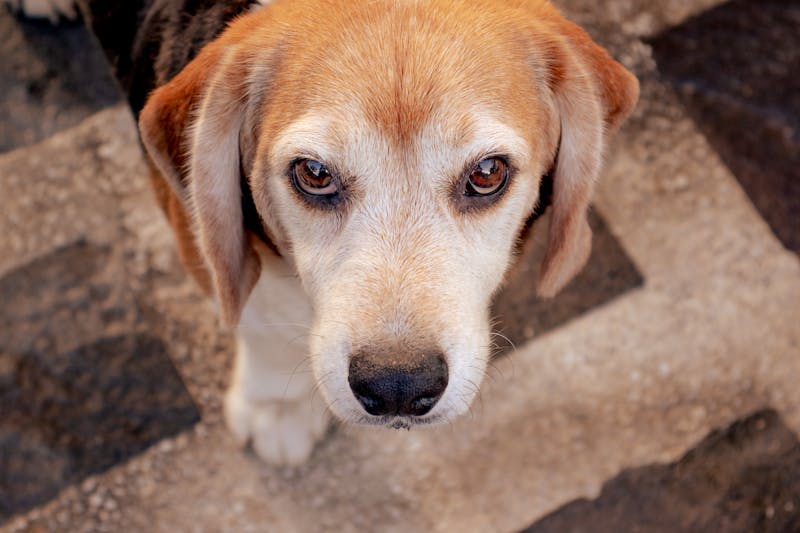
If your dog locks eyes with you across the room, you’re not alone. That intense stare can feel sweet, confusing, or even a little unsettling. But in most cases, your dog isn’t being weird, they’re communicating. Dogs rely heavily on body language and eye contact to connect with their humans, and a stare can mean anything from “I love you” to “Hey… you forgot my dinner.”
Understanding why your dog is staring can help you respond the right way and spot when something might actually be wrong.
They’re Showing Affection
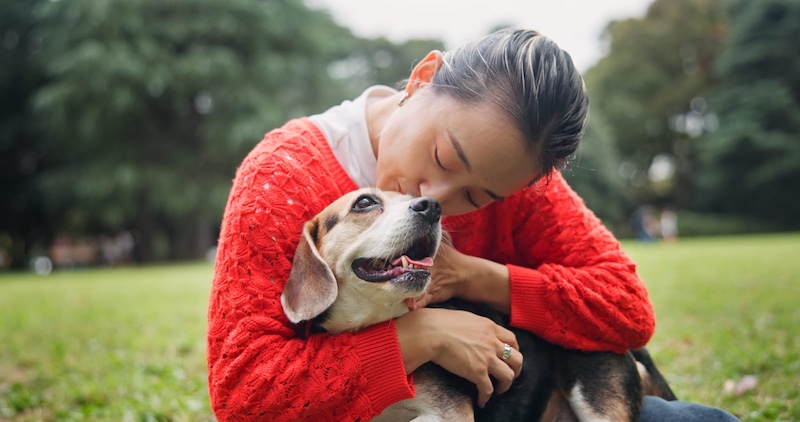
One of the most common reasons dogs stare is simple: they love you. Eye contact between dogs and humans has been shown to release oxytocin, often called the “love hormone,” in both species.
If your dog is relaxed, blinking softly, or wagging their tail while staring, it’s likely their way of bonding with you.
They Want Something
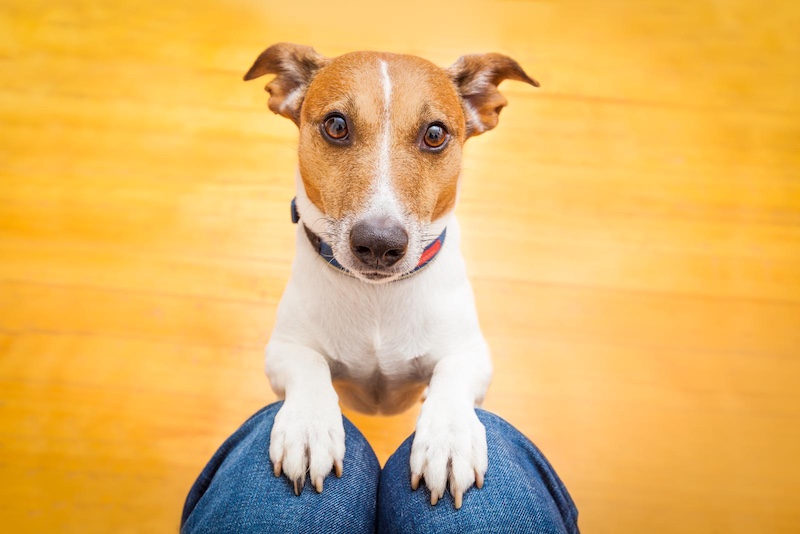
Sometimes the stare is much more direct. Your dog may be trying to tell you they want food, to go outside, or to play.
Pay attention to context. Are they staring at you around mealtime? Sitting near the door? Glancing between you and their toy?
That stare is likely a polite request.
They’re Reading Your Cues
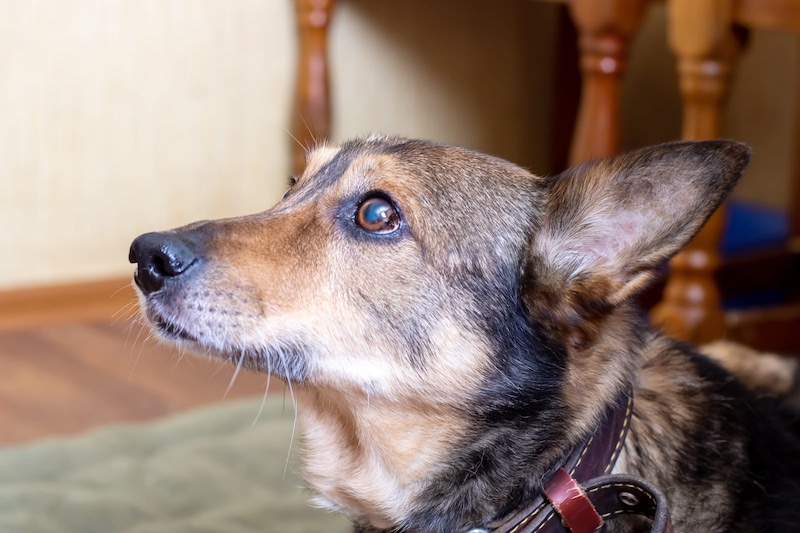
Dogs are incredibly observant. They watch your face and body language to understand what’s happening next.
If your dog stares when you’re talking, moving, or even thinking about getting up, they may be trying to anticipate your next move.
They’re Waiting for Instructions
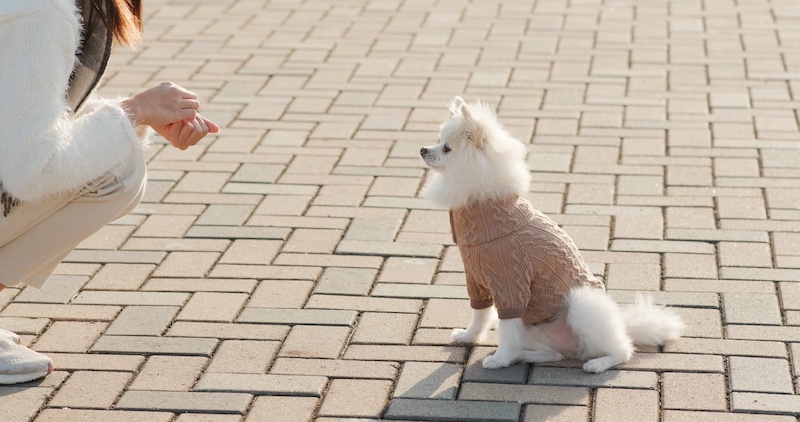
If your dog has been trained, staring can be a sign they’re focused and waiting for a command.
This is especially common in dogs who have learned basic obedience or are eager to please.
They’re Confused
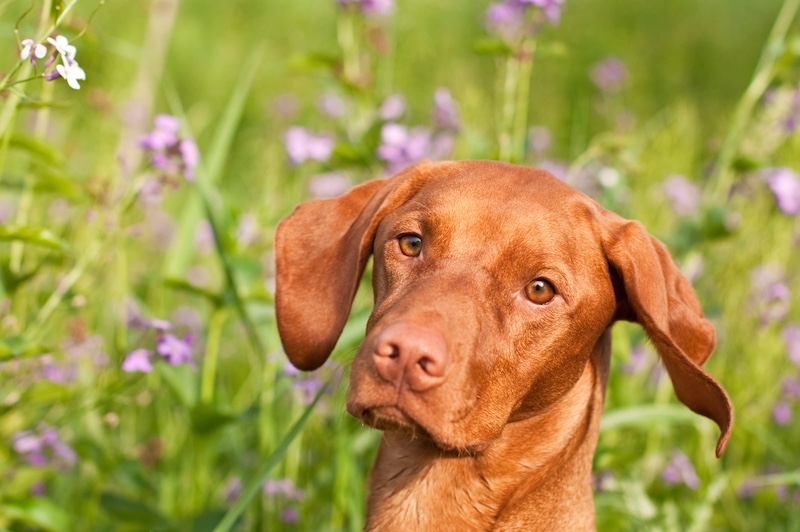
Sometimes, a stare means your dog doesn’t understand what’s happening.
If you’re doing something unusual, using a new tone, or changing routines, your dog may stare while trying to figure it out.
Look for head tilts or perked ears along with the stare.
They’re Guarding Resources
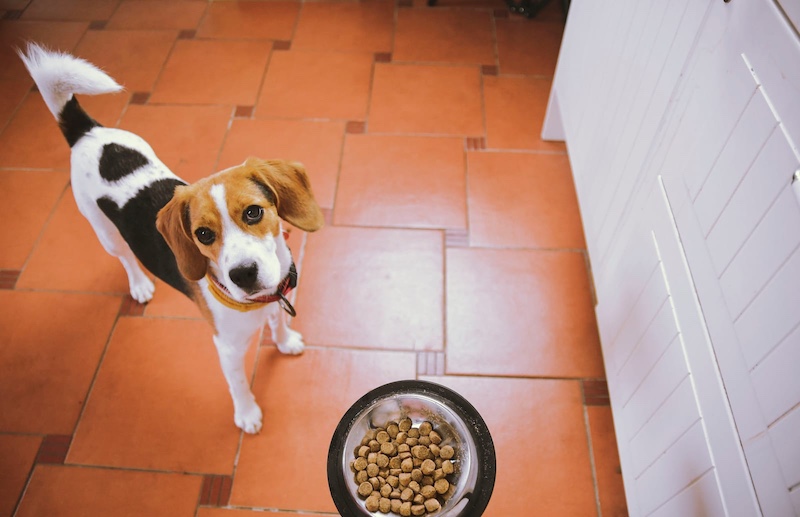
In some cases, staring can be more intense and less friendly. If your dog is stiff, not blinking, and focused on food, toys, or a specific spot, they may be guarding something.
This type of stare is often paired with other warning signs like growling or freezing.
They’re Feeling Anxious
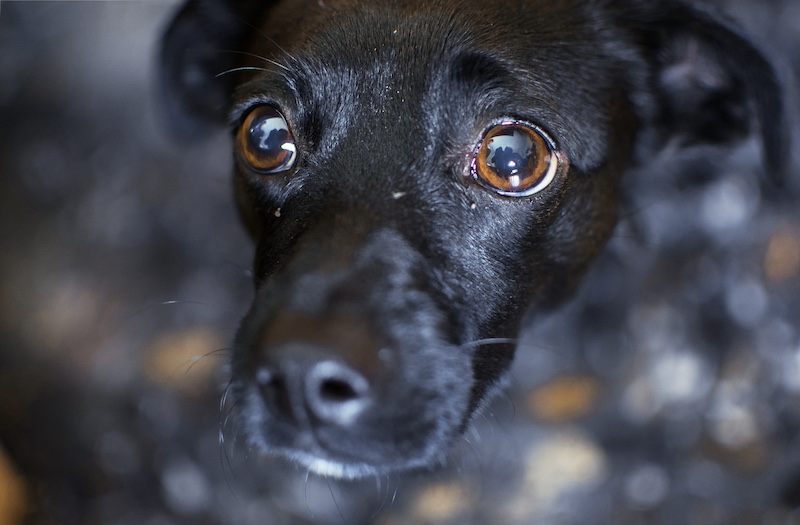
Dogs may stare when they feel unsure or stressed. If the stare is accompanied by pacing, whining, or lip licking, it could indicate anxiety.
Changes in environment, loud noises, or unfamiliar people can trigger this behavior.
They’ve Learned It Gets Results
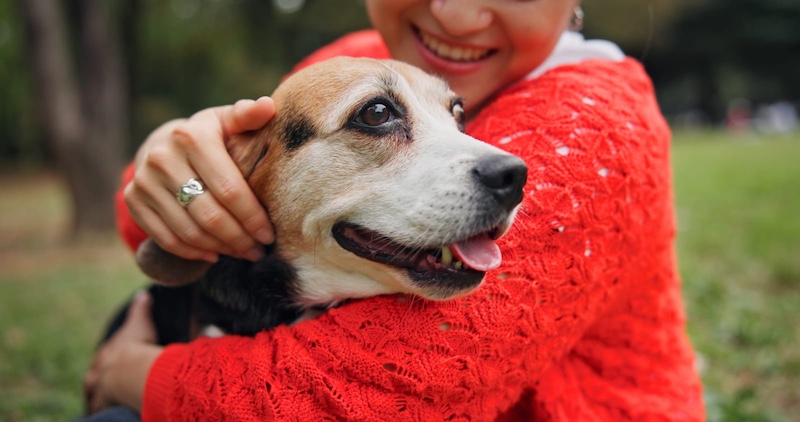
Dogs are quick learners. If staring at you has ever resulted in treats, attention, or playtime, they’ll keep doing it.
From your dog’s perspective, staring works.
They’re Experiencing a Health Issue
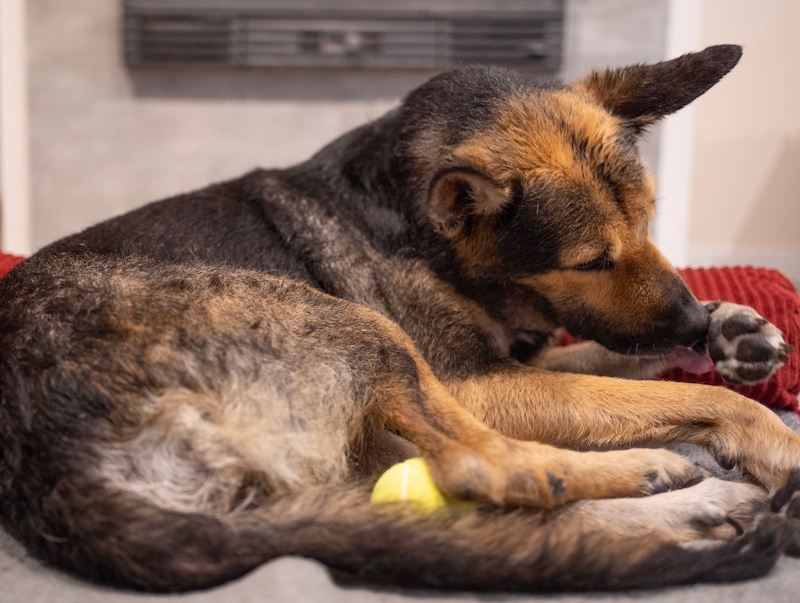
Less commonly, staring can be linked to medical problems. Conditions like cognitive dysfunction (dog dementia), seizures, or vision issues can cause unusual or prolonged staring.
This type of stare often looks “blank” or disconnected from their surroundings.
When Should You Worry?
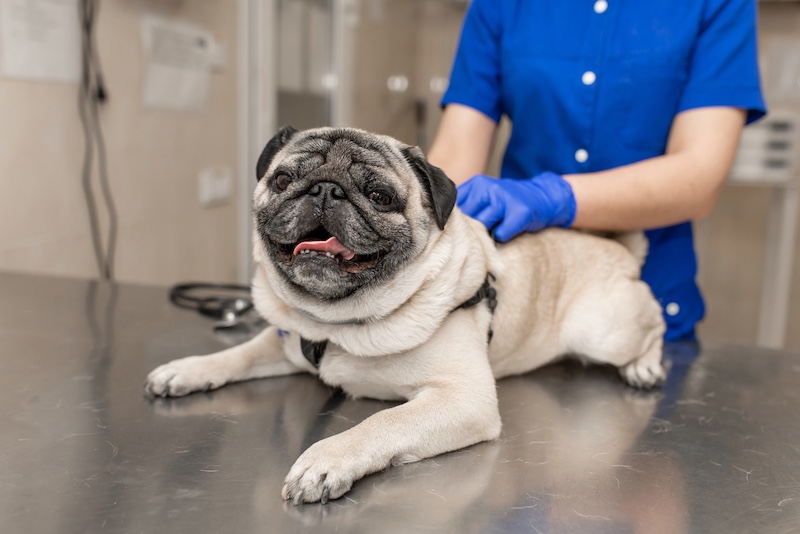
Most of the time, staring is completely normal and even a sign of a strong bond. But there are situations where it’s worth paying closer attention.
You should consider contacting your vet if your dog’s staring:
- Seems blank or unresponsive
- Happens suddenly and frequently
- Is paired with disorientation or unusual behavior
- Includes stiffness, trembling, or seizure-like activity
- Is accompanied by aggression or guarding behavior
Trust your instincts. You know your dog best, and sudden changes in behavior are always worth investigating.
How Should You Respond?
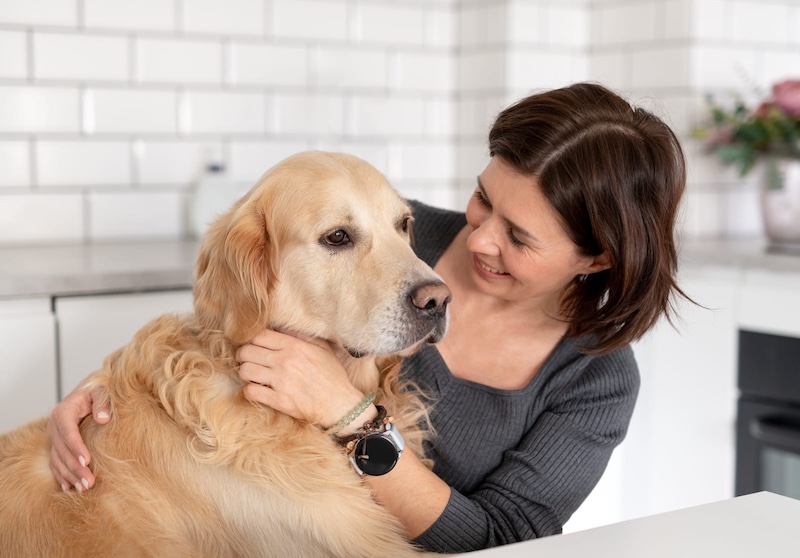
Your response depends on the reason behind the stare.
- If it’s affection, enjoy the moment and bond with your dog
- If they want something, check their needs (food, bathroom, exercise)
- If they’re anxious, try to identify and remove the trigger
- If it feels off or unusual, monitor closely or consult your vet
Avoid staring back intensely at unfamiliar or reactive dogs, as this can be seen as a threat in dog body language.
The Bottom Line
A dog’s stare isn’t random, it’s communication. Whether they’re expressing love, asking for something, or trying to understand you, that eye contact is part of how they connect with you every day.
Learning to read the context behind the stare helps you become a more attentive and responsive pet owner.
