
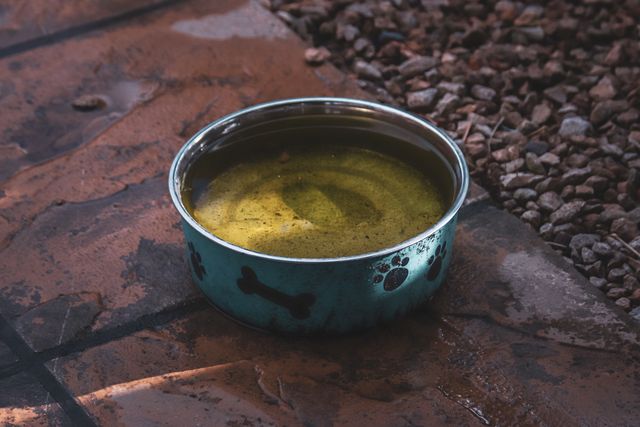
You fill your dog’s water bowl with fresh water every day, but how often do you actually wash the bowl?
Ideally, you should clean your dog’s water bowl every day. Empty the old water, wash the bowl thoroughly with warm or hot water and dish soap, rinse it well, and refill it with fresh water.
Simply adding fresh water to what is already in the bowl isn’t the same as cleaning it. Saliva, food particles, dust, hair, and microorganisms can collect inside the bowl even when the water still looks perfectly clear.
A daily wash is one of the easiest ways to keep your dog’s drinking area clean and make sure fresh water is actually being served in a clean bowl.
How Often Should You Wash a Dog’s Water Bowl?
For most dogs, once a day is a good rule for cleaning the water bowl.
The American Kennel Club recommends washing dog food and water bowls daily to help prevent the accumulation of food residue and biofilm. That recommendation applies even when a water bowl doesn’t look dirty.
There are also situations when you may need to clean the bowl more than once a day. Consider an extra wash if:
- Multiple dogs share the same water bowl
- Your dog drools heavily
- Food frequently ends up in the water
- Your dog has long facial hair that dips into the bowl
- The bowl is kept outside
- Dirt, grass, insects, or other debris gets into the water
- Your dog is sick
- The water develops an unusual smell or appearance
You should also replace your dog’s drinking water whenever it becomes dirty, regardless of when you last cleaned the bowl.
Why Dog Water Bowls Get Slimy
Have you ever run your fingers along the inside of your dog’s water bowl and noticed a slippery coating? That slime is commonly called biofilm.
Biofilm can develop when microorganisms attach themselves to a wet surface. In a dog’s water bowl, saliva, tiny food particles, bacteria, and other organic material can contribute to the buildup.
Because dogs transfer saliva to their water every time they drink, the bowl can start accumulating residue shortly after it has been cleaned. The fact that the water looks clear doesn’t necessarily mean the surface of the bowl is clean.
This is also why rinsing the bowl with plain water isn’t enough. Washing and scrubbing the surface helps physically remove the buildup.
A slimy bowl doesn’t automatically mean your dog is in danger or that the bowl has caused an illness. It is, however, a clear sign that the bowl needs to be washed.
Is It Okay to Just Refill a Dog’s Water Bowl?
It’s better to empty and clean the bowl rather than continually topping it off.
Adding clean water to an unwashed bowl doesn’t remove whatever is already coating the sides and bottom. The water may be fresh, but the surface holding it isn’t.
A better daily routine is:
- Pour out the remaining water.
- Wash the entire bowl.
- Rinse away all soap.
- Refill it with fresh drinking water.
You can still add more water throughout the day if your dog empties the bowl. Dogs should always have access to an appropriate supply of clean drinking water.
If your dog suddenly begins emptying the bowl much faster than usual, pay attention to the change. Increased thirst can have many causes, including activity and hot weather, but persistent unexplained changes in drinking habits are worth discussing with your veterinarian.
How to Properly Clean a Dog’s Water Bowl
You don’t need a complicated cleaning routine to keep a standard dog bowl clean.
Washing the bowl by hand
Empty the bowl completely and wash it with warm or hot water and dish soap. Scrub the bottom, sides, rim, and outside of the bowl rather than concentrating only on the area that holds water.
Pay particular attention to any slippery areas.
Rinse the bowl thoroughly so that no soap remains before filling it again. You can allow the bowl to air-dry or dry it with a clean towel.
If you have more than one dog bowl, keeping a spare makes daily washing easier. One bowl can be washed or dried while the other is being used.
Using the dishwasher
If the manufacturer says your dog’s bowl is dishwasher-safe, you can also clean it in the dishwasher.
This can be especially convenient if you keep multiple sets of bowls and rotate them throughout the week.
Always check the care instructions first. Not every bowl material, coating, decorative finish, or nonslip base is designed for dishwasher use.
Does Rinsing a Dog Bowl With Water Clean It?
A quick rinse is better than leaving visibly dirty water sitting in the bowl, but rinsing alone should not replace regular washing with soap.
Biofilm adheres to the bowl’s surface, which is why you may notice that slippery feeling even after you dump the water and rinse the bowl.
Think of your dog’s bowl the same way you would think about a drinking glass. You probably wouldn’t use the same glass indefinitely just because you kept adding fresh water to it. Your dog’s bowl also benefits from regular washing.
What Is the Best Material for a Dog Water Bowl?
The material of your dog’s water bowl can affect how easy it is to keep clean.
Stainless steel
Stainless steel is a popular choice because it is durable, nonporous, and relatively easy to clean. Many stainless steel bowls are also dishwasher-safe, although you should still check the manufacturer’s instructions.
A quality stainless steel bowl can be a particularly practical choice if you want something that can handle daily washing.
Ceramic
Ceramic bowls can also be easy to clean when they have a smooth, intact glaze.
Check ceramic bowls regularly for cracks and chips. Damage to the surface can create harder-to-clean areas where residue can collect.
Glass
Glass dog bowls are nonporous and generally easy to wash. The obvious drawback is that it can break, so consider where the bowl will be used and how likely your dog is to push or knock it around.
Plastic
Plastic dog bowls are inexpensive and lightweight, but they can become scratched over time. Those scratches can make the surface more difficult to clean thoroughly.
If a plastic bowl becomes heavily scratched, cracked, or damaged, replacing it may be a better option than continuing to use it.
How Often Should You Replace a Dog Water Bowl?
There isn’t a universal schedule for replacing dog bowls. The condition of the bowl matters more than its age.
Consider replacing a water bowl if you notice:
- Deep scratches
- Cracks
- Chips
- Rust or corrosion
- Peeling or damaged coatings
- Areas that remain discolored after cleaning
- Persistent odors
- Rough surfaces that are difficult to clean
A well-maintained stainless steel bowl, for example, can potentially last much longer than a plastic bowl that quickly becomes scratched.
Inspecting the bowl whenever you wash it makes it easier to spot damage before it becomes a problem.
What About Outdoor Water Bowls?
Outdoor water bowls often need more attention than indoor bowls.
Leaves, soil, grass, pollen, insects, wildlife, and other contaminants can end up in an outdoor bowl. Warm temperatures and direct sunlight can also make standing water less appealing.
Empty, wash, and refill outdoor water bowls at least daily and whenever the water becomes visibly dirty.
During hot weather, check the water several times throughout the day. Your dog may drink more when temperatures rise, so make sure enough fresh water is available.
Place outdoor bowls in a shaded area when possible and avoid leaving the same water sitting outside for extended periods.
How Often Should You Clean a Dog Water Fountain?
Dog water fountains require a slightly different cleaning routine because there are more surfaces and components where residue can accumulate.
Changing the water isn’t enough. The fountain itself needs to be taken apart and cleaned according to the manufacturer’s instructions.
Depending on the model, that may include cleaning the:
- Drinking basin
- Water reservoir
- Pump
- Tubes
- Spout
- Filter housing
- Other removable parts
Filters also need to be replaced according to the manufacturer’s recommended schedule.
If you notice slime anywhere in the fountain, don’t wait for the next scheduled cleaning. Take it apart and clean it thoroughly.
Do Shared Water Bowls Need to Be Cleaned More Often?
They can.
When several pets use the same bowl, more saliva, hair, food debris, and other material may enter the water throughout the day. The bowl may need to be emptied and washed more frequently as a result.
Check shared bowls throughout the day instead of assuming one daily cleaning will always be enough.
Separate bowls can also be useful if one of your pets is sick or if you need to monitor how much an individual dog is drinking.
Should You Clean Your Dog’s Food Bowl Every Day Too?
Yes. In fact, food bowls may need to be washed even more frequently than water bowls.
A good practice is to wash your dog’s food bowl after each meal, particularly when feeding wet or fresh food. Food residue left on a bowl provides another source of organic material for microorganisms.
Dry kibble bowls may look cleaner, but oils, crumbs, saliva, and food particles can still remain on the surface.
Your dog’s feeding area deserves attention too. Wipe up spilled food and water, and periodically clean mats, elevated feeders, bowl stands, and the floor surrounding the bowls.
Signs Your Dog’s Water Bowl Needs Immediate Cleaning
You don’t need to wait until the next day if the bowl is obviously dirty.
Wash and refill it whenever you notice:
- A slippery or slimy surface
- Floating food particles
- Hair or debris in the water
- Cloudy water
- Dirt around the bottom or sides
- An unusual odor
- Insects or other contaminants
Your dog may also make the decision for you. Some dogs are reluctant to drink water that smells or tastes different than usual.
If you’re concerned that your dog isn’t drinking enough, monitor their behavior and speak with your veterinarian if the change persists or is accompanied by other symptoms.
An Easy Dog Water Bowl Cleaning Routine
Daily bowl cleaning doesn’t have to become another major household chore.
When you refresh your dog’s water in the morning or evening, dump the old water instead of simply topping it off. Wash the bowl with dish soap, rinse it thoroughly, and add fresh water.
Keeping two or three dishwasher-safe bowls in rotation can make the process even easier.
It may also help to clean your dog’s food and water station at the same time. Wash the bowls, wipe the feeding mat, clean up crumbs, and check the surrounding floor for spilled water or food.
This turns several small pet-care tasks into one quick routine.
Frequently Asked Questions
How often should I clean my dog’s water bowl?
Clean your dog’s water bowl at least once a day. Empty the old water, wash the bowl with dish soap and warm or hot water, rinse it thoroughly, and refill it with fresh water.
Why does my dog’s water bowl get slimy?
The slippery coating is usually biofilm. Saliva, microorganisms, food particles, and other organic material can contribute to this film developing on wet surfaces. Regular washing helps remove it.
Can I wash my dog’s water bowl with dish soap?
Yes. Regular dish soap and water can be used to clean most dog bowls. Rinse the bowl thoroughly before refilling it so no soap residue remains.
Can dog bowls go in the dishwasher?
Many stainless steel, glass, and ceramic dog bowls are dishwasher-safe, but it depends on the individual product. Check the manufacturer’s instructions before putting a bowl in the dishwasher.
Should I change my dog’s water every day?
Yes. Dogs should have access to fresh, clean drinking water. Rather than simply topping off yesterday’s water, empty the bowl, clean it, and refill it with fresh water at least daily.
What is the easiest dog bowl material to keep clean?
Stainless steel is generally one of the easiest options to maintain because it is durable, nonporous, and often dishwasher-safe. Glass and smooth, undamaged ceramic bowls can also be easy to clean.
Keep Your Dog’s Water Fresh and the Bowl Clean
Your dog’s water bowl may look clean long after residue has started accumulating on its surface. That’s why appearance isn’t the best way to decide when it needs washing.
Clean your dog’s water bowl every day, replace the water with a fresh supply, and wash it sooner whenever it becomes dirty or slimy.
It only takes a few minutes, and once you make it part of your normal feeding routine, it’s an easy habit to maintain.
