
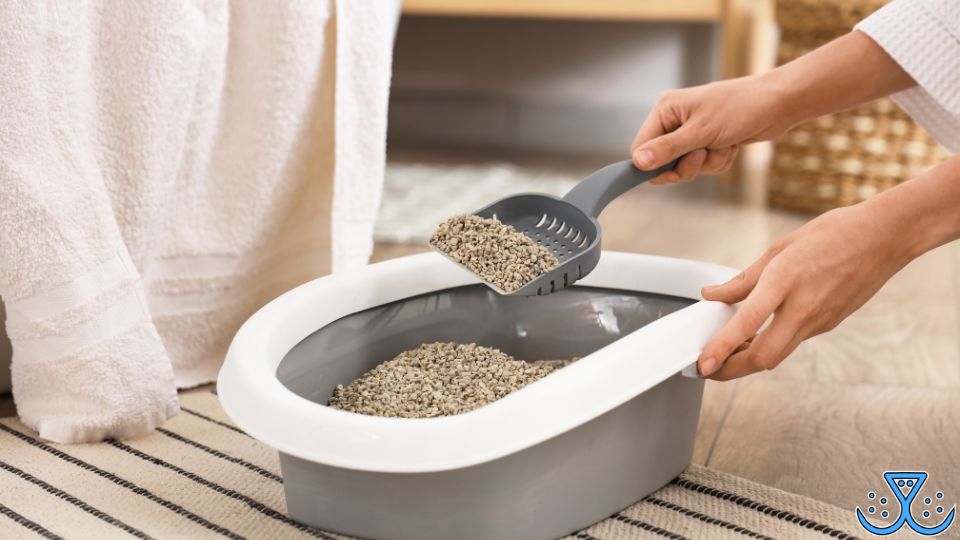
If you’re wondering how often you should change your cat’s litter, the answer depends largely on the type of litter you use. Cat litter should be scooped at least once a day, while a complete litter change may be needed anywhere from daily to every few weeks. Non-clumping litter generally needs to be replaced more frequently than clumping litter.
The number of cats using the box, the type of litter, and how quickly the box becomes dirty can also affect your cleaning schedule. Most importantly, don’t wait for an odor to tell you it’s time to clean the box. Regular maintenance keeps the litter box more appealing to your cat and gives you a chance to notice changes in their bathroom habits.
How Often Should You Change Cat Litter?
Here’s a quick guide to how often you may need to clean your cat’s litter box:
- Scoop waste: At least once a day
- Clumping litter: Scoop daily and completely replace the litter about every two to four weeks, depending on the product and how quickly it becomes dirty
- Non-clumping litter: Remove solid waste daily and replace all of the litter more frequently, potentially weekly or even daily depending on the product
- Multiple cats: Scoop more frequently and expect to replace litter sooner
- Litter box itself: Wash the box whenever you completely replace the litter or according to the litter manufacturer’s cleaning recommendations
These are general guidelines rather than strict rules. Always check the instructions for your particular litter since some products are designed to last considerably longer than others.
Cat Litter Changing Schedule by Type
Different types of litter handle urine and waste differently, which affects how long they can remain in the box.
| Type of cat litter | How often to scoop | When to completely change it |
|---|---|---|
| Clumping litter | At least once daily | About every 2–4 weeks, depending on the product and usage |
| Non-clumping litter | Remove solid waste daily | Generally weekly or more frequently |
| Crystal/silica litter | Remove solid waste regularly | Follow the manufacturer’s instructions |
| Pine or wood pellets | Remove waste and soiled material regularly | Follow the manufacturer’s instructions |
| Other plant-based litter | Usually at least daily | Varies considerably by product |
The manufacturer’s directions should take priority over a general schedule. For example, some specialty litter systems are designed to last significantly longer than conventional non-clumping litter.
Why Does Clumping Litter Last Longer?
Clumping litter forms solid clumps when it comes into contact with moisture. This allows you to remove urine-soaked litter along with solid waste while leaving the clean litter behind.
After scooping, you can add fresh litter to replace what you removed. With consistent scooping, you aren’t allowing as much soiled litter to accumulate in the box, so you can typically go longer before emptying everything.
Non-clumping litter works differently. Although it absorbs urine, the urine-soaked litter can’t be removed as easily as a solid clump. As more of the litter becomes soiled, a complete change becomes necessary.
How Often Should You Scoop a Cat’s Litter Box?
You should scoop your cat’s litter box at least once a day. Some boxes may need to be scooped more frequently, especially if multiple cats are using them.
Daily scooping isn’t only about controlling odor. Removing urine and feces keeps the box cleaner and more inviting for your cat.
It also gives you an opportunity to see what your cat is leaving behind. Changes in the frequency or amount of urine, diarrhea, constipation, blood, or other unusual bathroom habits can sometimes be signs that something is wrong.
What Factors Affect How Often You Should Change Cat Litter?
There’s no single litter-changing schedule that works for every household. Several factors can determine how quickly a litter box becomes dirty.
The type of litter: Clumping litter generally stays usable longer because soiled portions can be removed. Non-clumping litter usually requires more frequent complete changes.
The number of cats: More cats mean more urine and feces entering the litter boxes each day.
The number of litter boxes: Giving multiple cats more boxes spreads waste among them instead of concentrating it in one place.
Your cat’s bathroom habits: Some cats urinate or defecate more frequently than others.
The size of the litter box: A small box may become dirty more quickly than a larger one.
The litter itself: Different brands and materials have different absorption, clumping, and odor-control capabilities. Follow the manufacturer’s instructions for the product you’re using.
How Often Should You Change Cat Litter With Multiple Cats?
If you have multiple cats, expect to scoop more frequently and potentially replace the litter sooner.
Providing additional litter boxes can help. A commonly recommended guideline is one litter box for each cat, plus one additional box. A household with two cats, for example, would ideally have three litter boxes.
Having several boxes doesn’t necessarily mean they’ll become dirty at the same rate. Your cats may strongly prefer one location, so pay attention to how frequently each box is actually being used.
How Do You Know When Cat Litter Needs to Be Changed?
A schedule is useful, but the condition of the litter box matters more than the date on the calendar.
It may be time for a complete litter change if:
- The box still smells after you’ve scooped it
- A large portion of the litter is wet or soiled
- Urine clumps are breaking apart and mixing with the clean litter
- Litter is heavily stuck to the bottom or sides of the box
- The litter isn’t controlling moisture or odor as well as it normally does
- Your cat suddenly seems reluctant to use the box
If the litter consistently becomes dirty much sooner than expected, you may need to scoop more frequently, add another litter box, use a larger box, or try a different type of litter.
Should You Wash the Litter Box When Changing the Litter?
Yes. Periodically emptying the litter box gives you an opportunity to clean residue that daily scooping leaves behind.
Empty the old litter and wash the box with warm water and mild, unscented soap. Rinse it thoroughly and allow it to dry before adding fresh litter.
Be cautious with strongly scented cleaning products. Cats have sensitive noses, and a powerful fragrance that smells clean to you may make the litter box less appealing to your cat.
If the box continues to smell after you’ve removed the litter and cleaned it thoroughly, the box itself may be retaining the odor.
Can You Just Add New Litter Instead of Changing It?
Adding fresh litter after scooping is an important part of litter box maintenance, but it shouldn’t permanently replace complete litter changes.
Each time you scoop clumping litter, some clean litter is inevitably removed along with the waste. Adding fresh litter keeps the box at an appropriate depth.
Over time, however, small pieces of soiled litter, dust, moisture, and residue can remain behind. Eventually, you’ll need to empty the box completely rather than continuing to mix fresh litter with what’s already there.
How Much Litter Should You Put in the Box?
The ideal depth depends partly on the litter you’re using. A general starting point is approximately three to four inches for clumping litter and two to three inches for non-clumping litter, although the manufacturer’s directions should take priority.
Cats need enough litter to comfortably dig and cover their waste. Too little can make digging and clumping difficult, while adding excessive amounts can lead to unnecessary waste and more litter getting kicked out of the box.
What Happens If You Don’t Change Cat Litter Often Enough?
A litter box that isn’t cleaned frequently enough can accumulate urine, feces, odors, and soiled litter. Aside from making your house smell unpleasant, those conditions can make the box less appealing to your cat.
Some cats may begin eliminating elsewhere if they’re unhappy with the condition of their litter box. That could mean finding urine or feces on your carpet, furniture, clothing, or other areas of the house.
However, don’t assume a dirty litter box is responsible for every accident. Sudden or persistent changes in litter box habits can also be associated with medical or behavioral problems and should be discussed with your veterinarian.
Frequently Asked Questions About Changing Cat Litter
Can I Change My Cat’s Litter Once a Week?
You can completely change cat litter once a week if that schedule is appropriate for the type of litter you’re using. Non-clumping litter often requires frequent replacement, while clumping litter may last longer when waste is scooped every day. Check your litter manufacturer’s instructions for its recommended schedule.
How Often Should You Change Clumping Cat Litter?
Clumping litter should be scooped at least once daily. Depending on the product and how heavily the box is used, a complete litter change may be needed approximately every two to four weeks. Replace it sooner if it becomes noticeably dirty or develops persistent odors.
How Often Should You Change Non-Clumping Cat Litter?
Non-clumping litter generally needs to be completely replaced more frequently than clumping litter because urine-soaked portions can’t be removed as easily. Some non-clumping products may require weekly or even daily replacement, so check the instructions on the package.
How Often Should You Change Cat Litter for Two Cats?
A litter box used by two cats will generally become dirty faster than one used by a single cat. Scoop at least daily and more often when necessary. Ideally, a two-cat household should also provide multiple litter boxes rather than expecting both cats to rely on a single box.
Should You Scoop Cat Litter Every Day?
Yes. Cat litter should generally be scooped at least once every day. Removing urine clumps and feces keeps the litter cleaner, reduces odors, and makes it easier to monitor your cat’s bathroom habits.
Should You Completely Empty a Litter Box?
Yes. Even if you scoop waste every day and regularly add fresh litter, the box should still be completely emptied periodically. This allows you to remove lingering soiled litter and residue and thoroughly wash the box before refilling it.
A Clean Litter Box Starts With a Consistent Routine
There’s no universal number of days you should wait before changing your cat’s litter. Scoop at least once daily and base complete litter changes on the type of litter you’re using, the manufacturer’s instructions, the number of cats in your household, and the condition of the box.
Keeping up with the litter box may not be the most glamorous part of having a cat, but it’s one of the most important routines to get right. It keeps the box more inviting for your cat while giving you a regular look at their bathroom habits.
Have more questions about your feline friend? Check out our articles on cats for more information on cat behavior, health, care, and all the other things that come with sharing your house with a cat.
